When it comes to protecting your home, some features are easy to overlook. Gutters often fall into that category, yet they play a critical role in preserving the structural integrity and appearance of your property. This article explores why gutters are a worthwhile investment, breaking down how they function, why they matter for maintenance, and how they can ultimately save homeowners money over time.
What Are Gutters And How Do They Work?
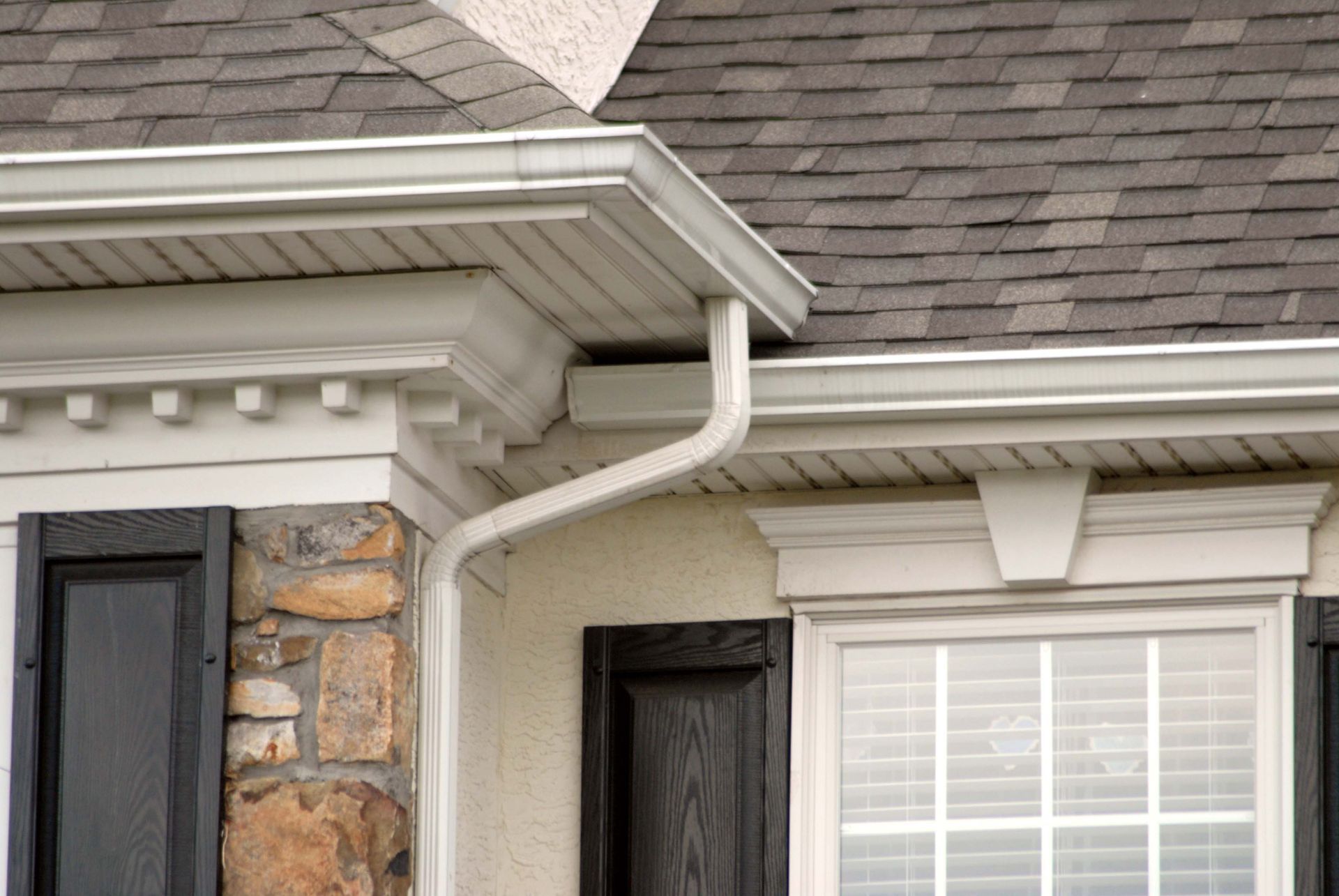
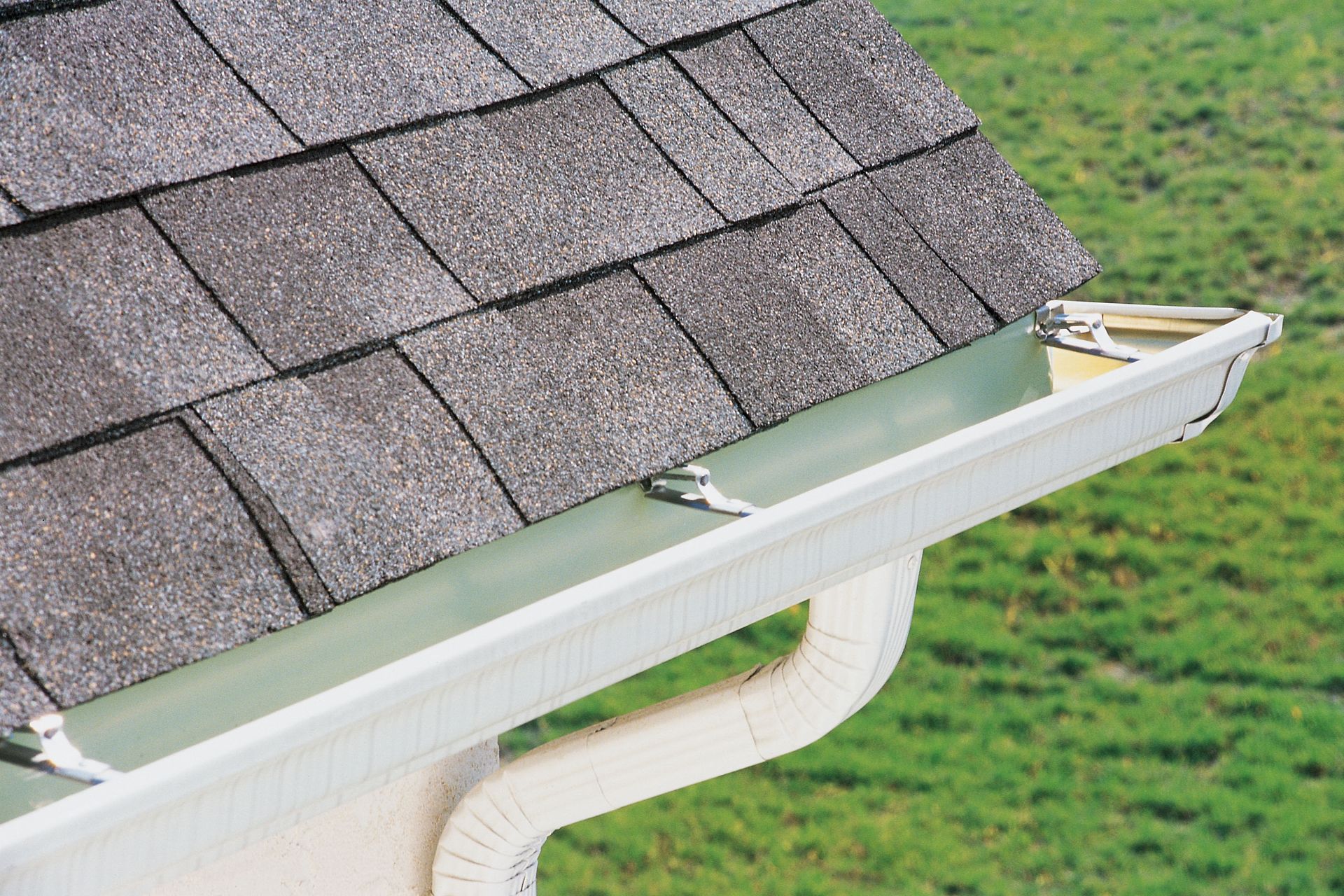
Gutters are a drainage system installed along the edges of your roof. Their primary purpose is to collect rainwater and direct it safely away from your home through downspouts. Without gutters, water would simply pour off the roof and accumulate around the foundation.
The basic structure of gutters includes channels, downspouts, and sometimes guards that prevent debris from entering the system. As rainwater flows off the roof, gutters capture it and guide it through the system to a designated drainage area, such as a yard, drainage pipe, or rain barrel.
This concept of redirecting water away from structures is not new. According to Texas University, in the 13th century, gargoyles were specifically designed as waterspouts to throw rain far away from church walls to prevent masonry erosion. While modern gutters are far less decorative, they serve the same essential function—protecting buildings from water damage.
Why Are Gutters Essential For Home Maintenance?
Gutters are a cornerstone of effective home maintenance because they prevent a wide range of water-related issues. One of their most important roles is protecting the foundation. When rainwater is not properly diverted, it can pool around the base of the home, leading to cracks, shifting, and costly structural repairs. Over time, repeated exposure to excess moisture can weaken the integrity of the foundation, making early prevention through properly functioning gutters especially important.
In addition to safeguarding the foundation, gutters help preserve your siding. Water cascading directly off the roof can splash against exterior walls, causing staining, rot, and mold growth over time. Properly functioning gutters ensure that water is directed away from these surfaces. This not only helps maintain the appearance of your home but also extends the lifespan of exterior materials, reducing the need for premature replacements.
Landscaping also benefits from the presence of gutters. Without them, heavy rainfall can erode soil, wash away mulch, and damage plants. By controlling the flow of water, gutters help maintain the appearance and stability of your outdoor spaces. This is particularly beneficial for homeowners who have invested time and money into gardens, walkways, or decorative features that can be easily disrupted by uncontrolled runoff.
Another often overlooked advantage of gutters is their ability to reduce basement flooding. By keeping water away from the foundation, they minimize the risk of leaks and moisture intrusion. This is especially important in regions that experience frequent or heavy rainfall. A dry basement not only protects stored belongings but also helps prevent issues like mold growth and poor indoor air quality, which can impact the overall comfort of your home.
What Materials Are Best For Gutters?
Choosing the right materials for gutters is an important part of making a smart investment. Different materials offer varying levels of durability, cost, and maintenance requirements.
Aluminum gutters are one of the most common choices among homeowners. They are lightweight, resistant to rust, and relatively affordable. Aluminum systems are also available in a wide range of colors, making it easy to match them to your home’s exterior.
Vinyl gutters are another popular option due to their low cost and ease of installation. They are resistant to corrosion, but they may become brittle in extreme temperatures, which can limit their lifespan in certain climates.
Steel gutters provide added strength and durability, making them a good choice for areas that experience heavy snow or severe weather. However, they are more prone to rust if not properly maintained.
Ultimately, the best material for your gutters will depend on your budget, climate, and long-term goals for your home.
How Much Do Gutters Cost, and Are They Worth The Investment?
The cost of installing gutters can vary widely depending on factors such as the size of your home, the materials used, and whether you choose seamless or sectional systems. On average, homeowners can expect to pay anywhere from a few hundred to several thousand dollars for a complete gutter installation. Labor costs, regional pricing differences, and the complexity of your roofline can also influence the final price, making it important to get multiple estimates before moving forward.
While this may seem like a significant expense, it is important to consider the potential savings. Gutters help prevent costly repairs related to foundation damage, roof leaks, siding deterioration, and landscape erosion. In many cases, the cost of repairing these issues far exceeds the initial investment in a quality gutter system. By proactively managing water runoff, homeowners can avoid emergency repairs that often come with higher price tags and added stress.
Seamless gutters, in particular, offer long-term value by reducing the risk of leaks and requiring less maintenance. Although they may have a higher upfront cost, their durability and performance can make them a worthwhile choice for many homeowners. Because they are custom-fit to your home, seamless gutters also provide a cleaner, more streamlined appearance that can enhance curb appeal.
In addition to protecting your home, gutters can also contribute to its overall value. A well-maintained drainage system signals to potential buyers that the property has been cared for, which can be a selling point if you decide to put your home on the market. This added layer of protection and visual appeal can make your home more attractive in a competitive real estate market.
How Do You Maintain Gutters For Longevity?
Proper maintenance is essential to ensure that gutters continue to function effectively over time. One of the most important tasks is regular cleaning. Leaves, twigs, and other debris can accumulate in gutters, leading to clogs that prevent water from flowing freely.
Homeowners should aim to clean their gutters at least twice a year, typically in the spring and fall. In areas with heavy tree coverage, more frequent cleaning may be necessary. Keeping gutters clear helps prevent overflow, which can cause water to spill over the sides and damage your home.
Inspecting gutters for signs of wear and tear is another key aspect of maintenance. Look for cracks, sagging sections, or loose brackets that could compromise the system. Addressing these issues early can prevent more significant problems down the line.
Installing gutter guards can also help reduce the amount of debris that enters the system. While they do not eliminate the need for cleaning entirely, they can make maintenance easier and less frequent.
Additionally, it is important to ensure that downspouts are directing water far enough away from the foundation. Extensions or splash blocks can be used to guide water to a safe distance, further enhancing the effectiveness of your
gutters.
Gutters are a simple yet essential component of any home, offering protection against water damage, preserving structural integrity, and enhancing overall property value. By investing in quality gutters and maintaining them properly, homeowners can avoid costly repairs and ensure their homes remain safe and functional for years to come. If you're looking to add function and beauty to your home with new gutters, reach out to the dedicated team at RZ Exteriors, LLC today!