By Zach Ameorn
October 15, 2026
Without an efficient system to manage rainwater, homes can quickly suffer from water damage, soil erosion, and pest infestations. Gutters and gutter leaf guards are unsung heroes in maintaining the durability and aesthetic appeal of your home. Here, we'll delve into the importance of these systems, their roles, benefits, and best practices for installation and maintenance.
The Role of Gutters in Rainwater Management
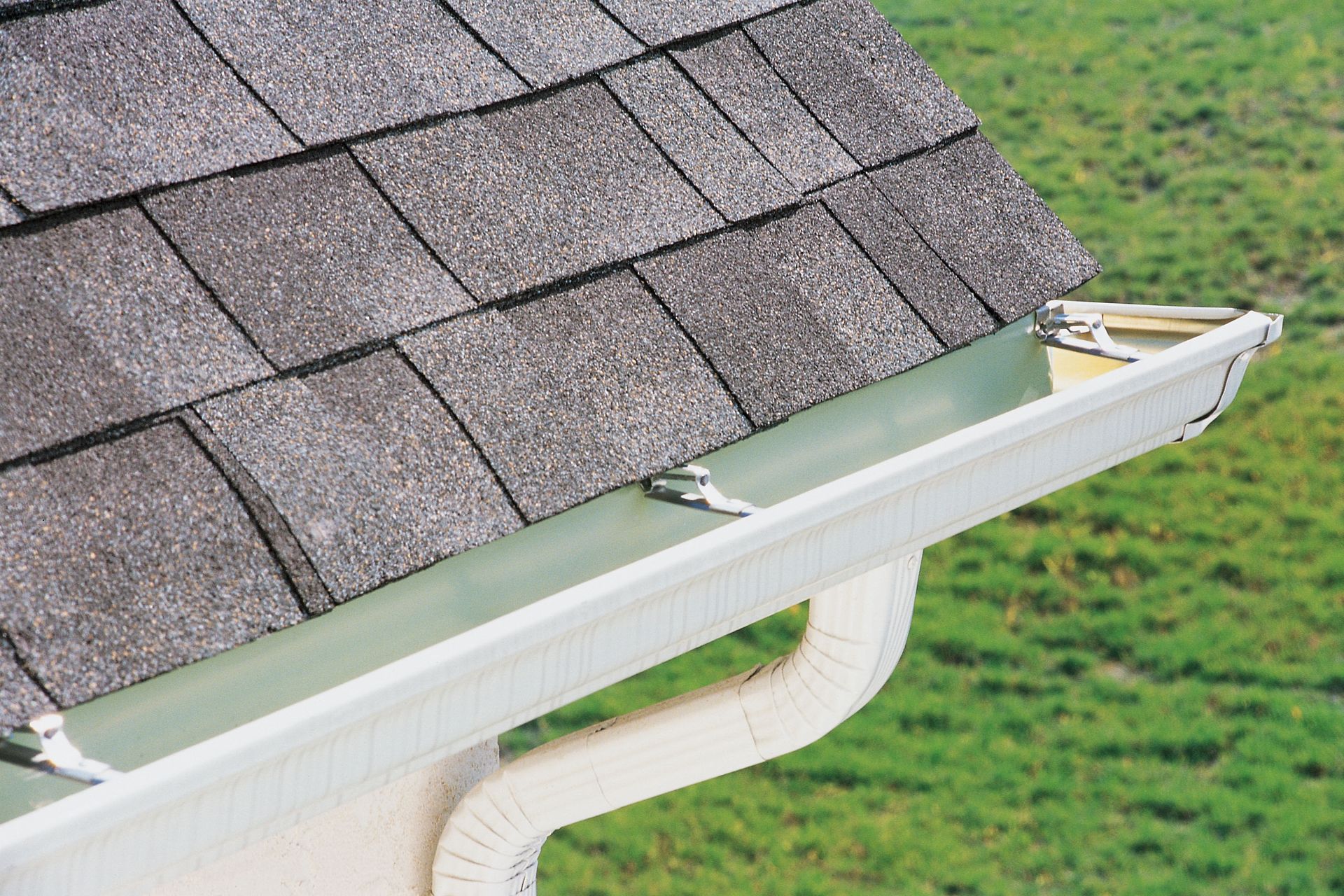
Gutters are designed to perform the fundamental task of collecting rainwater from the roof's surface. By capturing precipitation, gutters prevent water from pooling and absorbing into the roofing materials, thus preventing potential water damage and leaks. Proper gutter systems are crucial in areas with high rainfall, where the risk of water damage significantly increases. According to This Old House, gutters must have at least 1/4 inch of slope for every ten feet of gutter run to ensure that water flows smoothly towards the downspouts. This optimal design aids in effective water diversion while minimizing erosion and potential foundation issues.
The slope in the gutter network ensures gravity aids in the efficient collection and transportation of water away from the house structure. This detail highlights the significance of professional installation for gutter systems, particularly in homes situated in regions with uneven terrain. It's crucial to routinely check for any deviations in the gutter slope or damage to downspouts, as these can significantly lower the efficiency of the system. Good gutter systems span the entire perimeter of the roof, collecting and directing rainwater safely away from the home. Consistent and adequate maintenance can help preserve these systems for years, safeguarding your home from water-related damage.
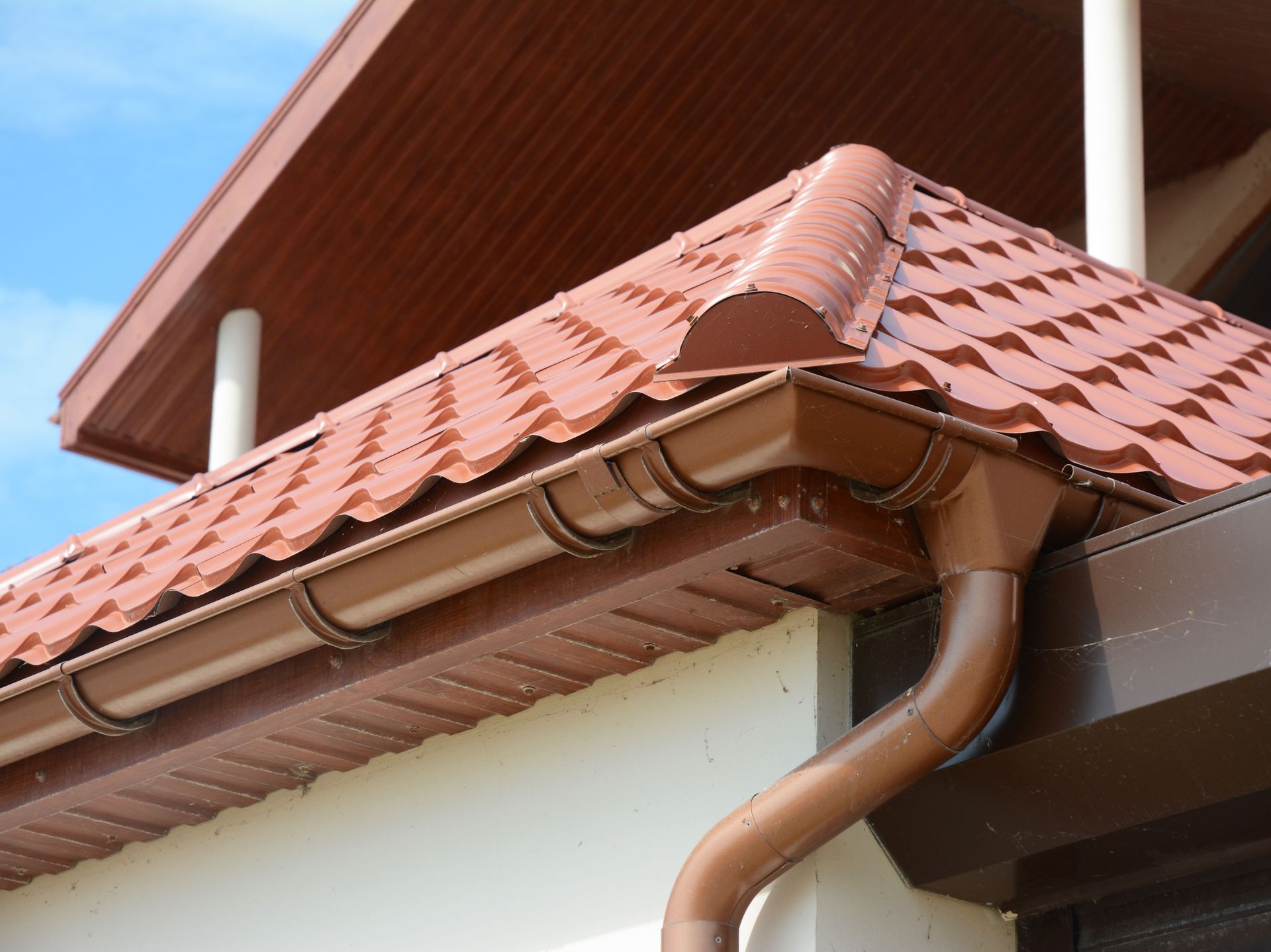
The primary function of gutters is not just to collect rainwater but to divert it away from a structure's basement and foundation. Strategically placed downspouts complete the gutter system, directing water to specific areas where it won't risk causing any foundation damage. This is crucial in preventing flooding, soil erosion, and foundation degradation around the house. Adequately functioning gutters can relieve pressure from rainwater on vulnerable parts of a home's design, such as window wells, doors, and basement levels. By directing water to safe locations far from the home's base, your residence is shielded from potential structural risks.
Downspouts are an integral component of a gutter system, ensuring that water is discharged away from the foundation. Typically, they extend several feet from the building to prevent any direct foundation contact, ensuring longevity and structural soundness. The position and direction of the downspout's discharge point need careful consideration to effectively handle runoff. Water can cause substantial soil erosion if not properly managed because constant dampness can gradually wear away at the foundation and surrounding elements. Gutters serve as a protective shield, diverting water and diminishing long-term damage risks.
One of the significant benefits of an effective gutter system is its ability to prevent soil erosion and subsequent water damage. When water is collected and directed away from the home's structure, it minimizes the risk of water-induced erosion, which can weaken foundation soils. This erosion prevention is essential to maintaining landscaping features, retaining walls, and the overall aesthetic appeal of a home's exterior. Furthermore, effective rainwater management diminishes instances of puddles and pooling that can spawn unhealthy mold and mildew around the house, contributing to health hazards and structural decay. An effective gutter system underpins the long-term well-being and appeal of surrounding living spaces.
Homes equipped with efficient gutters experience fewer water management issues, especially after relentless or long-duration storms. These systems divert heavy downpours away from the building's perimeter, ultimately reducing instances of ground saturation and shifting, both of which affect structural stability. When the risk of excessive soil moisture is reduced, homeowners can avoid secondary complications such as foundation cracking or subsidence. A well-maintained gutter system, with correctly sloped and clear channels, can mitigate these risks effectively. As a result, not only are immediate problems avoided, but future intricate and costly repairs are preempted, further safeguarding the homeowner's investment.
Gutter Leaf Guards: Features and Benefits
Leaf guards come in various types, each designed to combat the challenge of debris accumulation within gutter systems. Mesh leaf guards are among the most widely used, offering small openings that permit water entry while blocking larger debris such as leaves. Reverse curve models utilize surface tension principles, allowing water to flow around the curve into the gutter while keeping twigs and debris separate. Bottle brush leaf guards use an upright brush pattern designed to catch debris while allowing rainwater to pass below. The variety underscores how leaf guards can match specific homeowner needs and environmental conditions to optimize gutter performance and longevity.
Each type of leaf guard varies in installation methods, cost, and required maintenance. Mesh models are usually easier to install and suitable for both DIY enthusiasts and professionals, often made of stainless steel or aluminum for durability. Reverse curve varieties can offer more efficiency but may require more expert installation due to the intricate design. On the other hand, bottle brush variants are easy to install, requiring little technical expertise, making them an appealing option for budget-conscious homeowners. By evaluating pros, cons, and environmental compatibility, homeowners make informed choices that best support their gutter protection needs.
Leaf guards primarily serve to reduce the instances of gutter blockages, contributing to enhanced water management around the home. By keeping large debris out, leaf guards prevent clogging that leads to water overflow, mold formation, and potential roof and structural damage. Clogged gutters render them ineffective, which can cause more significant issues such as foundation erosion and ruined landscaping. With effective guards, homeowners can benefit from uninterrupted water flow from roof to ground, a critical factor in preventing rainwater-induced anomalies. These protective features ultimately lead to lower maintenance needs and improved functionality of the entire gutter system.
Long-term efficiency and reliability of gutter systems depend substantially on minimizing debris entry and maintaining clear water pathways. Leaf guards complement gutter infrastructures by addressing these pain points, enabling water to be safely directed away from hazardous areas of the home. Effective water flow management is crucial not only for immediate water damage prevention but also for sustaining integral structural elements over time. By substantially reducing manual clog removal frequency, gutter guard implementation contributes to simplified ongoing maintenance routines. Essential for achieving this is selecting suitable leaf guard models that match the specific environmental debris profile around the home.
The integration of leaf guards significantly contributes to the longevity of gutter systems by preventing damage related to clogs and debris retention. Without regular cleaning or efficient protection, gutter systems can experience wear and sagging over time, leading to compromised performance and increased structural risk. Extending the life of gutter installations directly impacts long-term home maintenance costs, promoting greater financial savings and return on investment. Property value preservation is strongly tied to the condition of critical infrastructure elements like gutter systems, emphasizing the need for appropriate protection. By enhancing the lifespan of gutter systems, homeowners not only bolster their property's current value but also reduce prospective repair and replacement needs.
Reduced debris-induced weight on gutters prevents undue wear and tear, leading to fewer system failures and more favorable performance outcomes. Leaf guards offer consistent protection against such strains, allowing for improved structural stability and less frequent maintenance disruptions. This improved structural integrity means that less frequent repairs are required and that the system remains efficient over time, shielding the property from weather-induced damage.
Proactively maintaining the condition of gutters means fewer disruptions, better homes, and more reliable protection against weather. By taking preventative measures, homeowners can enjoy enhanced gutter resilience and reliability through the seasonal variations while conserving resources. For more information about
gutters and gutter leaf guards, contact RZ Gutters today.